How A Boiler Efficiency Can Reduce Your Energy Bills?
In the U.K, particularly with rising energy prices, many households seek to cut their heating costs. This can be achieved by bettering your home’s energy efficiency through boiler replacement. Although a new boiler calls for investment, especially upfront, it can save a lot in the long run. The following article describes how boiler efficiency can affect your energy bills and also provides information on how the ECO4 scheme can help you move to a better boiler system.
Smart Heating
Efficient temperature control system
Insulation Upgrade
Reduces heat loss effectively
How Boiler Efficiency Affects Your Energy Bills?
An inefficient boiler directly increases energy expenses because it needs more fuel to produce the same amount of heat. The following are some of the consequences of low efficiency in a boiler:
- Cost increases to maintain the same comfort level
- An increase in carbon emissions
- Increased wear and tear of boilers
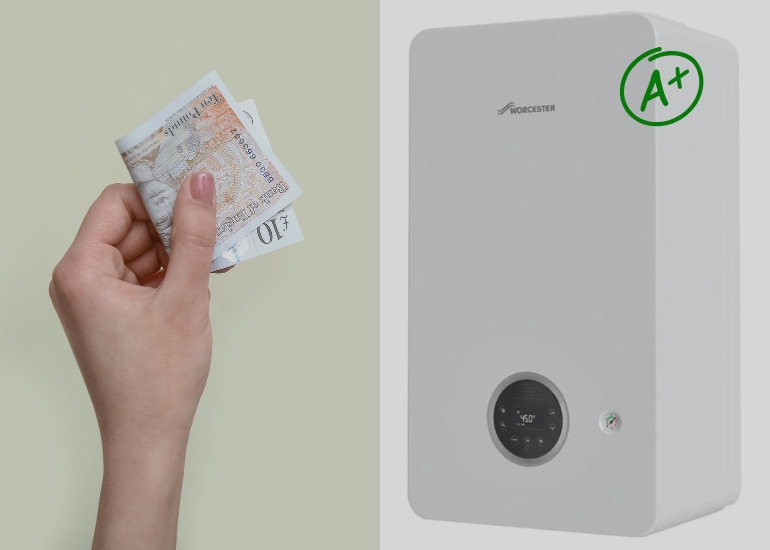
Upgrading from a G-rated boiler-around 70% efficiency-to a modern A-rated condensing boiler-above 90% efficiency-can save you between £300 and £600 annually, depending on the size of your house and your heating requirements. Over several years, these environmental-friendly savings mount to thousands of pounds.
Explaining Boiler Energy Ratings
In the UK, boilers are rated from A to G in terms of efficiency:
- Boilers rated A are the most economical and energy-efficient. They have an efficiency of 90% and above.
- Boilers rated G are the least efficient and most expensive to run, with an efficiency rating below 70%.
- Most modern high-efficiency boilers are of the condensing type. By reclaiming heat from the exhaust gases, they preheat water to minimize waste energy. A great deal of heat is lost through the flue of older non-condensing boilers. If your boiler was installed before 2005, it’s most likely non-condensing, in which case you may be paying more than necessary for your energy.
Understanding the difference between condensing and non-condensing boilers is critical for recognizing where major efficiency improvements come from:
Condensing boilers boast higher efficiency at 90–98%, compared to 60–80% for non-condensing ones. They excel in heat recovery by reusing warmth from flue gases, while non-condensing models lose it through the flue. This leads to lower running costs and reduced carbon emissions for condensing boilers, versus higher costs and emissions for non-condensing. Plus, condensing boilers qualify for grants under the ECO4 scheme, whereas non-condensing ones are often targeted for replacement.
If your house is still using a non-condensing boiler, it may be time to consider an upgrade. Government boiler efficiency schemes like ECO4 could mean this will save a significant amount of money while improving energy performance within your home.
ECO4 Scheme: This is a UK government scheme, an abbreviation for Energy Company Obligation phase 4, designed to improve energy efficiency in homes, particularly among low-income households and families in fuel poverty.
Through the ECO4 scheme, eligible homeowners can receive free boiler replacements or ECO4 boiler efficiency grants. The main priority of this initiative will be to replace old, inefficient boilers with modern, energy-efficient condensing models to help households cut heating costs and lower their energy bills while enabling a greener future.
Who Can Apply For A Boiler Grant?
You may be eligible for ECO4 boiler efficiency grants if you meet one or more of the following criteria:
- You get certain benefits including Universal Credit or Pension Credit.
- You live in social housing with a low energy performance rating such as E, F, or G.
- Your household income is below the fuel poverty threshold.
- You own or privately rent your home within the UK.
These low-income energy saving grants can cover all or most of the cost for replacing the old, inefficient boiler with a modern, energy-efficient model.
To determine how efficient your boiler is, there are a few key factors to look at:
Rating System
Every boiler has an energy efficiency rating now, which reflects how well it converts fuel into heat. First, check what rating system your boiler follows: SEDBUK or ErP; both operate on a rating scale from G, the least efficient, to A or A+++, the most efficient.
The lower your boiler falls on this scale, the more energy it wastes during the heating process. In practical terms, this means you’re burning more fuel and spending more money just to keep your home warm.
Improve Boiler Efficiency UK: Energy-Saving Boiler Tips
You can save money and enhance efficiency with the following strategies, even when you have decided not to replace your boiler:
- Bleed your radiators to release trapped air and ensure even heating.
- Smart thermostats can automatically adjust heating schedules, which may save up to 10% per year.
- Have your boiler serviced yearly to ensure peak performance and to avoid problems.
- Better insulation keeps the heat in a home and saves energy.
- Lower the Flow Temperature: Efficiency is increased by keeping the temperature around 60°C instead of 80°C.
- Condensing boilers rated A are 20–30% more efficient; therefore, upgrade to a high-efficiency boiler.
- Install TRVs to prevent hot spots in spaces that are not utilized, allowing independent regulation of the temperature in each room.
Smart Ways to Stay Warm for Less
A high-efficiency boiler is one of the components of a successful UK home heating plan. This will work best if it’s combined with double-glazed windows and insulation of walls and loft.
Energy-efficient radiators and intelligent heating controls
These enhancements, when put together, will boost comfort and reduce energy costs by increasing the amount of heat your home can retain.
Besides being inefficient, old boilers can be costly liabilities. They have the following effects on your energy bills:
- Waste of fuel, which increases operation costs
- Frequent repairs that build up over time; expensive and difficult-to-obtain parts; inability to meet today’s energy efficiency standards
According to the Energy Saving Trust, an A-rated boiler could save as much as £600 off of your annual heating costs and cut your CO₂ emissions by more than 1,000 kg.
Get A free Boiler Replacement for Energy Savings
If your boiler is old, unreliable, or costly to run, a boiler replacement for energy savings is one of the smartest home improvements you can make. Modern condensing boilers come with features such as:
- Built-in heat recovery systems
- Smart controls
- Weather compensation sensors
- Longer warranties
These upgrades not only enhance comfort but also future-proof your home against rising energy costs.
With support from government boiler efficiency schemes like ECO4, you may even qualify for a free or subsidised boiler replacement, making the upgrade more affordable.
Reduce Heating Costs with ECO4
The binding commitment to net-zero emissions by the UK government has made energy efficiency a matter of national priority. Energy companies, under ECO4, are supposed to upgrade households to help cut heating costs by funding:
- Free boiler replacements
- Home insulation grants
- First-time central heating installations
This offers a great opportunity to help your household save hundreds of pounds each year with ECO4 if you still use an inefficient, old boiler. You can help reduce carbon footprints and contribute toward a greener future ahead.
Final Thoughts
The efficiency of the boiler will, in turn, have a direct impact on how much you pay to heat. Older systems unnecessarily waste energy, adding to your bills, while modern condensing boilers can be as efficient as 98%. The ECO4 scheme helps eligible UK households access free or subsidised boiler replacements, reducing costs and improving home comfort. To apply for your free grant and get started, visit our official website heat1.co.uk where we make the process simple and hassle-free! Regular servicing, good insulation, smart thermostats, and adjusting flow temperatures can further raise efficiency and lower energy costs.